

Are you considering a hysterectomy? The procedure is often medically necessary for a wide range of conditions or health considerations — but going through surgery is a big decision, and you want to make sure you’re getting the best care possible. Do you know what your options are? Have you considered a robotic-assisted hysterectomy?
What is a Hysterectomy?
Before we dive into the specifics of robotic-assisted surgery, what is a hysterectomy?
A hysterectomy is a surgical procedure to remove the uterus. This may include removing other reproductive organs such as fallopian tubes, ovaries, and/or cervix depending on your specific health needs and conditions. The procedure may be necessary to treat a range of conditions, including (but not limited to):
- Severe menstrual bleeding
- Fibroids
- Uterine prolapse
- Chronic pain
- Endometriosis
- Gynecological cancers
The procedure may also be done preemptively if you are at risk of developing any of these conditions later in life.
A hysterectomy can significantly improve the quality of life for people experiencing discomfort or pain, and in cases of life-threatening diseases such as cancer, a hysterectomy may be a vital intervention. Each patient’s situation is unique, and the decision to undergo a hysterectomy is made after careful consideration of all other treatment options, your health circumstances, and your future health and wellness goals.
What is Robotic-Assisted Hysterectomy?
People have been performing hysterectomies (with varying degrees of success) for hundreds of years. However, as with all medicine, procedures change and adapt as we develop better technology for the job. That’s where robotic-assisted surgery comes in.
A robotic-assisted hysterectomy is a cutting-edge surgical procedure in which trained doctors use robotic systems to enhance precision and control during the operation. The procedure was initially tested in the early 2000s and has been in common use for the past two decades.
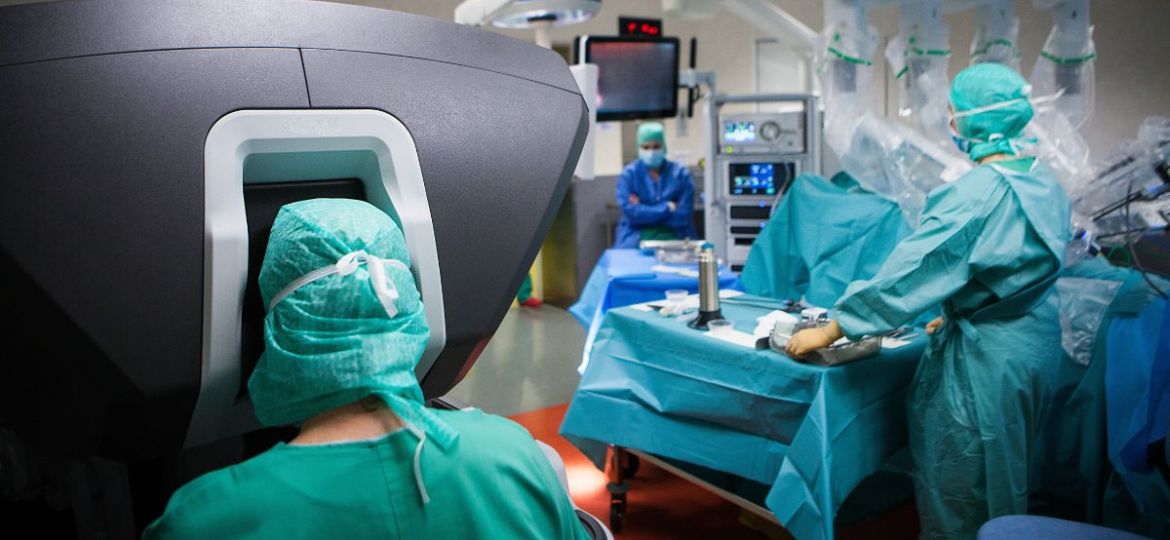
Unlike traditional methods that rely on surgeons’ direct manipulation of surgical instruments, this approach allows surgeons to operate using a console to control robotic appendages equipped with surgical tools, offering unparalleled accuracy.
Benefits of Robotic-Assisted Hysterectomy
Why might you choose to go to a doctor who performs robotic-assisted hysterectomies vs. a more traditional method? There are several advantages to the robotic-assisted procedure, including:
- Precision and control. The robotic system enhances surgical accuracy, allowing for a more extensive range of motion and precise manipulation of tissues and organs, reducing the risk of damage. A console provides the surgeon with a high-definition 3D view of the procedure.
- Reduced risk of complications. The minimally invasive approach significantly lowers the risk of infection and other complications.
- Quicker recovery times. Smaller incisions mean less post-surgical pain and shorter hospital stays, enabling patients to return to their daily lives more swiftly. While full recovery will take several weeks, most patients can regain mobility within a day and can resume light physical activity within a week.
Robotic-Assisted Hysterectomies at WHCMA
At Women’s Health of Central Massachusetts, patient care is our highest concern. Drs. Frangieh, Mehdizadeh, and Kimball perform robotic-assisted hysterectomies for patients who require the procedure. Throughout the process, we take a patient-centered approach to ensure you always feel supported and confident in your care team.
While each patient is different, our process includes:
- Preoperative preparation. As with any surgery, it is essential that you understand why we recommend a hysterectomy and what the procedure and recovery will look like. We will work with you to explain the process and help you make informed decisions about your care. If you decide to proceed with surgery, the office will work with you to schedule a date and time that works for you.
- Robotic-assisted procedure. The surgery requires two surgeons. One surgeon will sit at the robotic console and the other next to the robot. They work in concert together throughout the entire surgery to ensure accuracy and good communication. There is a constant focus on safety, precision, and care for the patient.
- Postoperative care and recovery. Because of the minimally invasive nature of the procedure, the majority of patients go home the same day (although some will stay overnight). WHCMA’s doctors will provide you with support and answer any questions you have as you heal and return to your daily life. This includes two post-op visits: the first is 2–4 weeks after the surgery and the second will be at 8–10 weeks. It generally takes 3–4 weeks to recover from the surgery, but 8–10 weeks to return to full activity levels.
Making Informed Decisions About Your Healthcare
If you’re considering a hysterectomy, you want the best care possible — and part of receiving the best care is working with the best doctors. WHCMA has a large team of experienced doctors who can help guide you through your options and help you make the right decisions for you.
Whether you’re actively looking for the right surgeon for your hysterectomy, or you’re still trying to decide on the best option for your care, we can help. Reach out to us today to schedule an appointment.
